7segments: The Digital Clock Typeface for Modern Design
There's a certain nostalgia attached to the segmented glow of a digital clock. It’s the first light you saw in a dark bedroom as a kid, the countdown on a retro scoreboard, the crisp readout on a vintage calculator. That familiar, structured geometry isn't just functional; it's a powerful visual shorthand for precision, time, and a touch of retro-futurism. Capturing that essence in a versatile, modern font is where 7segments enters the conversation. This isn't merely a novelty typeface; it's a carefully crafted design tool created by Rikyozone, offering a bridge between nostalgic charm and contemporary application.
More Than a Gimmick: The Visual Language of 7segments
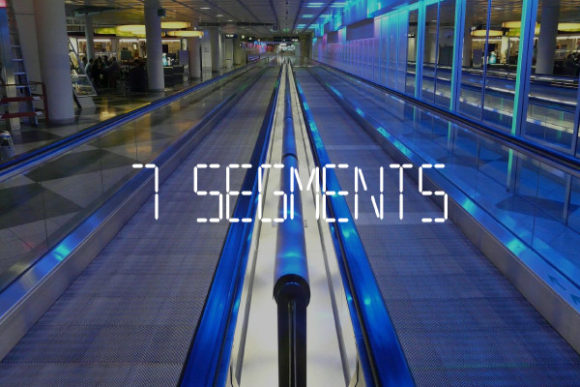
At its core, 7segments is a display font built on the iconic seven-segment display pattern. Each character is formed from a combination of straight lines and right angles, mimicking the segmented LCD or LED screens of classic electronics. This gives it an inherent readability at larger sizes and a distinctive, mechanical personality. The design is clean and uncluttered, making it surprisingly versatile. It avoids the sometimes overly playful vibe of other retro fonts, instead projecting an air of clarity and order. This makes it a fantastic creative font for projects that need to feel both approachable and technically precise, from brand identity for a tech startup to packaging design for a consumer electronics product.
What sets a well-executed typeface like this apart is its attention to detail. A premium font will include thoughtful touches—proper kerning for balanced spacing, a full character set, and often multiple styles. For 7segments, this likely includes variations in weight or a set of stylistic alternates, allowing designers to fine-tune the look. These details are what separate a professional design asset from a simple download, ensuring your logo design or social media graphics look polished and intentional.
Practical Applications: Where This Typeface Shines
Thinking about where to use a font like 7segments is where the fun begins. Its strength lies in contexts where clarity and a specific aesthetic are paramount. For web design, it can be a hero for headers on a tech blog, a fitness app tracking metrics, or a portfolio site for a digital artist. The segmented style ensures numbers and key text pop on screen, enhancing audience engagement without sacrificing legibility.
In the realm of print materials and editorial design, consider using it for chapter titles in a book about gaming history, infographics in a magazine, or pull quotes that need to stand out. For merchandise and invitations, it’s perfect for creating event posters for a retro-themed party, t-shirts for a coding bootcamp, or even wedding invitations with a modern, minimalist twist. The key is to match the font's personality to your project's goal—it speaks the language of innovation, time, and precision.
- Branding & Logo Design: Ideal for tech companies, repair services, gaming studios, or any brand wanting to convey reliability and modernity.
- Packaging & Labels: Use on product packaging for electronics, tools, specialty foods, or cosmetics to add a clean, technical flair.
- Digital & Marketing Assets: Perfect for website hero text, app interfaces, email marketing headers, and digital product covers.
- Print & Physical Media: Effective on posters, flyers, business cards, stickers, and apparel where a strong, recognizable style is needed.
Strategic Pairings and Professional Presentation
A display font like 7segments rarely works well as body text. Its power is in headlines, logos, and short bursts of impactful text. This is where font pairing becomes crucial. To create a balanced and professional layout, pair it with a highly readable sans serif font or a clean serif font for longer paragraphs. For example, use 7segments for your main headline, then pair it with a font like Roboto, Open Sans, or Lora for the supporting text. This creates a clear visual hierarchy, improves overall readability, and ensures your message is communicated effectively.
Before finalizing any project, always test your font choices. View your design at different sizes—what looks sharp on a desktop monitor might become illegible on a mobile screen if used too small. Check the spacing between letters and words. A great modern typography practice is to print out a sample or view it on multiple devices. This simple step helps you catch potential issues and guarantees your final product, whether a blog header or a physical poster, maintains its professional presentation and achieves the intended visual impact.
Considering the Details: Licensing and Lasting Value
When you invest in a commercial font, you're not just buying a file; you're securing the rights to use a piece of design work in your projects. Always review the licensing terms. A reputable foundry or designer, like Rikyozone, will provide clear information on whether the license covers personal use, commercial use, or specific types of projects like merchandise or digital products. Understanding this protects you legally and ensures you're respecting the creator's work.
Ultimately, a typeface like 7segments is more than just letters on a page. It's a tool for storytelling. It can evoke a specific era, suggest a particular functionality, or simply provide a clean, structured foundation for your visual communication. By choosing fonts that align with your message and using them thoughtfully, you build a stronger, more recognizable brand and create designs that resonate. Whether you're a small business owner crafting your identity or a designer building a client's vision, the right typeface is a silent partner in your success.