Bassidle: The Sans Serif Font for Bold, Modern Design
Every designer has a moment when they need a typeface that does more than just sit on the page. You want something with presence, a font that can anchor a brand, command attention on a poster, and still feel clean and contemporary on a website. That search often leads to exploring the world of premium sans serif fonts, where simplicity meets strength. It's in this space that a typeface like Bassidle finds its purpose—offering a solution for projects that demand clarity without sacrificing character.
Understanding the Visual Character of Bassidle
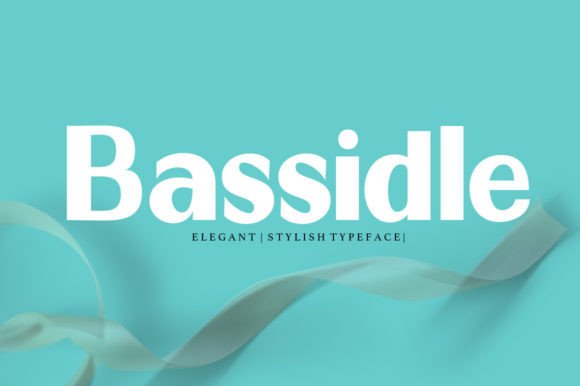
At its core, Bassidle is a sans serif typeface built on a foundation of clean geometry and sharp, defined edges. This isn't a soft, rounded font; its personality comes from precision. The letterforms are straightforward, with a modern touch that avoids feeling cold or sterile. Think of it as the typographic equivalent of a well-tailored suit—structured, confident, and inherently professional. This visual strength makes it exceptionally versatile. It can project toughness for a sports brand, sophistication for a tech startup, or clarity for an editorial spread. Its design prioritizes optimal readability, which is a non-negotiable for any font used in body text or detailed information. The simplicity here is intentional, allowing the message to take center stage.
Where This Typeface Truly Shines: Practical Applications
The real test of any font is how it performs in the wild. Bassidle's balanced design makes it a reliable workhorse across a surprising range of creative and commercial projects. Its strength lies in its ability to adapt without losing its core identity.
- Branding and Logo Design: For startups and established businesses alike, a logo needs to be memorable and scalable. Bassidle's clean lines ensure a logo remains legible whether it's on a business card or a billboard. It provides a solid foundation for a brand identity, conveying stability and modernity.
- Packaging Design: On crowded shelves, clarity wins. Using Bassidle for product names and key information ensures customers can instantly understand what they're looking at. Its bold weights are perfect for headlines on boxes and labels, while its regular weight keeps ingredient lists and descriptions easy to read.
- Web Design and Blogs: Website typography directly impacts user experience. Bassidle excels as a heading font for web design, creating clear hierarchy and visual interest. For blogs, its readability makes it a strong candidate for body copy, especially for longer articles where reader comfort is paramount.
- Social Media Graphics: In the fast-scrolling world of social media, your text needs to make an instant impact. Bassidle's sharp edges and modern feel help graphics stand out in a feed. It's perfect for quote images, promotional announcements, and infographic titles, ensuring your message is communicated quickly and stylishly.
- Print and Editorial Layouts: From magazine headlines to poster designs and book covers, Bassidle brings a contemporary edge to print. Its various weights allow for dynamic typographic layouts, guiding the reader's eye through the content with intentional rhythm.
- Digital Products and Marketing Assets: Whether you're designing an e-book, a webinar slide deck, or a set of social media templates, maintaining a consistent font pairing is key. Bassidle can serve as the primary sans serif, pairing beautifully with a complementary serif or script font for accent text, creating a cohesive and professional look for all your design assets.
Making the Right Choice: Font Styles and Pairings
Most premium fonts, including Bassidle, come with more than just a single style. You'll typically find a family that includes Regular, Medium, Bold, and sometimes Black or Light weights. This variety is your toolkit for creating visual hierarchy. Use the Bold weight for primary headlines and the Regular weight for body text. The Medium weight can be perfect for subheadings or button text in UI design.
A crucial part of the design process is font pairing. Bassidle's neutral yet strong character makes it an excellent team player. For a classic, professional look, pair it with a traditional serif font like a Garamond or Times New Roman for body text. For a more dynamic, contemporary feel, try combining it with a subtle script font or handwritten font for accent quotes or call-to-action phrases. The key is contrast—ensure the fonts have enough difference in style to create interest, but share a similar x-height or overall tone to maintain harmony.
Key Considerations Before You Commit
Before integrating any new font into your workflow, a few practical steps will save you headaches later. First, always test the font in context. Mock up a quick logo, a social media post, or a paragraph of text to see how it actually looks with your specific content and color palette. Second, pay close attention to readability at different sizes. Bassidle is designed for clarity, but you should always verify this with your own content, especially for smaller text sizes on mobile screens or in print.
Finally, understand the licensing. A commercial font like Bassidle comes with a license that dictates how you can use it. If you're using it for a client's logo, merchandise, or a product you plan to sell, you need to ensure your license covers those commercial applications. Reputable font foundries provide clear licensing terms, so always review them carefully to avoid any issues down the line. This due diligence is part of professional design practice and protects both you and your clients.
Choosing a typeface is a foundational decision in any visual project. It sets the tone, influences readability, and contributes to the overall perception of your work. A font like Bassidle offers a robust and versatile option for designers, entrepreneurs, and creators who need a reliable, modern sans serif that can handle a multitude of tasks with strength and clarity. Its value lies not in flashy trends, but in its dependable ability to communicate effectively across platforms and mediums.