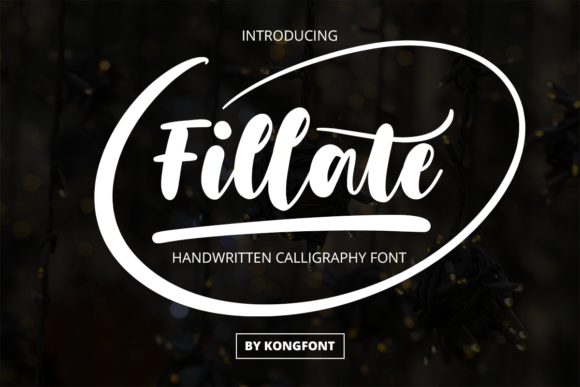
Fillate: A Handwritten Font That Feels Like a Conversation
There’s a particular kind of magic in a font that feels human. Not the sterile perfection of a geometric sans-serif, nor the stern authority of a classic serif. It’s the magic of a font that carries the warmth of a hand-drawn note, the energy of a quick sketch, and the personality of a signature. That’s the space where Fillate lives. Created by the team at Kong Font Studio, this modern handwritten script font isn’t just another design asset; it’s a tool for injecting genuine character into your work. If you’ve ever felt your brand materials, social posts, or product labels needed a more personal, approachable touch, you’ve likely been searching for something exactly like this.
The Visual Soul of a Playful Script
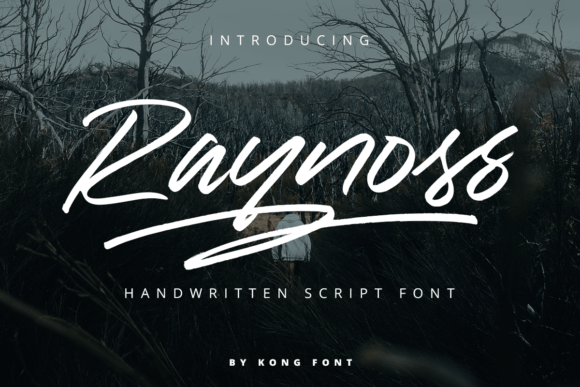
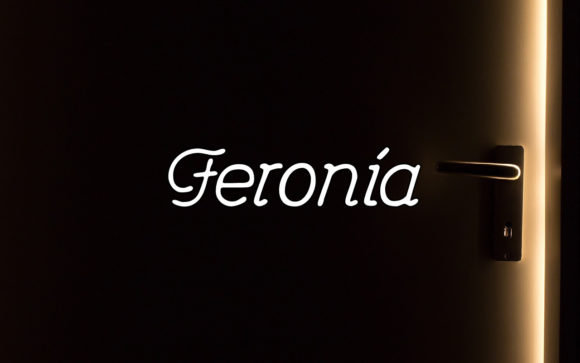
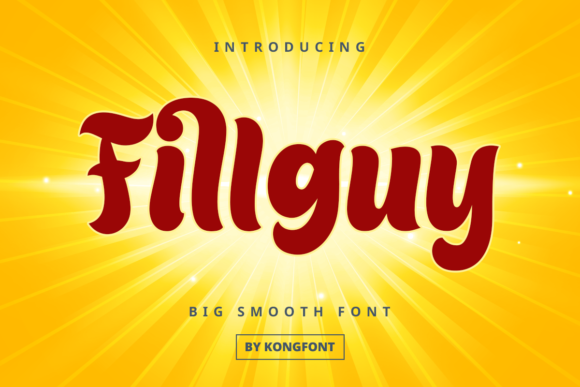
What immediately sets a typeface like Fillate apart is its carefully crafted balance. It’s undeniably playful—think of the casual elegance of a friend’s beautiful handwriting on a birthday card. The letters have a natural, flowing connection, with subtle variations in stroke width that mimic the pressure of a real pen or brush. This isn’t a rigid, uniform font; it has life in its lines. Yet, it avoids being overly chaotic or difficult to read. The designers at Kong Font Studio achieved a modern sensibility, ensuring it feels fresh and relevant for contemporary projects, not like a relic from a past decade. This blend of warmth and modernity makes it incredibly versatile. It can feel whimsical for a children’s brand, sophisticated for a boutique wedding invitation, or energetic for a fitness logo.
From Screen to Shelf: Real-World Applications
The true test of any creative font is how it performs in the wild. Fillate’s personality shines across a surprising range of applications, making it a valuable asset in any designer’s toolkit.
For Branding and Identity: Imagine a small-batch coffee roaster using Fillate on their logo and packaging. The handwritten quality communicates craft, care, and a human touch—perfect for a brand built on artisanal values. Similarly, a freelance photographer, a local bakery, or a handmade jewelry maker can use this script font to build a brand identity that feels authentic and connected to its maker. It helps build immediate brand recognition because the typography itself tells a story.
In Digital Spaces: On social media, a font like this stops the scroll. Use it for eye-catching Instagram Story quotes, Pinterest pin titles, or Facebook ad headlines. It adds a layer of personality that generic system fonts lack. For bloggers and content creators, it’s excellent for section headers or call-to-action text on a website, breaking up the monotony of body copy and guiding the reader’s eye. Paired with a clean sans-serif for paragraphs, it creates a dynamic and readable typographic hierarchy.
Across Print and Merchandise: Think beyond the screen. Fillate is ideal for designing custom merchandise like t-shirts, tote bags, and mugs. Its legibility at various sizes makes it suitable for posters, flyers, and event invitations where you want to convey a festive or personal mood. For editorial design, it can add flair to magazine pull quotes or chapter titles. Even in more corporate settings, it can soften a presentation or an internal newsletter, making the content feel more approachable.
Practical Advice for Using Fillate Effectively
Having a beautiful font is one thing; using it well is another. Here’s how to get the most out of a script typeface like this one.
Font Pairing is Everything: A handwritten font rarely works well when set as large blocks of body text. Its strength is in headlines, short phrases, and accents. The classic, foolproof approach is to pair it with a highly legible sans-serif or a simple serif font. For example, use Fillate for your main headline and a font like Open Sans or Lato for the descriptive text underneath. This contrast ensures readability while letting the script font’s personality shine.
Mind the Context: Match the font’s energy to your project’s goal. A playful script is perfect for a children’s party invitation but might not convey the right tone for a corporate law firm’s annual report. Always ask: does this typeface support the message I’m trying to send? For a brand identity, ensure it aligns with your core values—authenticity, creativity, friendliness, etc.
Explore the Extras: One of the most practical features of a premium font like Fillate is that it’s PUA encoded. This isn’t just technical jargon; it means you have easy access to all the alternate characters, swashes, and ligatures included in the font file. These extras are what allow for true customization. You can add a flourish to a capital letter, connect specific letter pairs more elegantly, or create a truly unique logotype. Don’t overlook them—they’re your secret weapon for elevating a design from good to great.
Test for Readability: Always test your text at the size it will be viewed. A beautiful swash on the letter ‘g’ might look stunning in a design program at 200% zoom but become an unreadable blob on a mobile phone screen. Check your work at actual size and on different devices if it’s for digital use.
Making a Strategic Choice in Typography
Choosing a typeface is a strategic design decision, not just an aesthetic one. A font like Fillate serves a specific purpose in your visual communication toolkit. It’s the go-to choice when you need to inject humanity, warmth, and approachability. It’s a creative font that helps bridge the gap between a brand and its audience, making interactions feel more personal. When used intentionally—considering pairing, context, and readability—it becomes a powerful component of a cohesive visual identity. It’s more than just letters on a page; it’s a direct line to the feeling you want your project to evoke. In a world saturated with digital perfection, that authentic, handwritten touch might be the very thing that makes your work stand out.