Marston: A Typeface with Built-In Heritage and Strength
There’s a specific kind of presence that commands a room before a single word is spoken. It’s the weight of a well-worn leather jacket, the confident stride of a work boot, the quiet authority of a vintage toolbox. This is the feeling Marston brings to a design. It’s not just a font; it’s a visual handshake, firm and assured. In a landscape crowded with fleeting digital trends, Marston offers a tangible connection to enduring craftsmanship, giving your projects an immediate foundation of character and credibility.
Beyond the Basics: The Anatomy of a Rugged Typeface
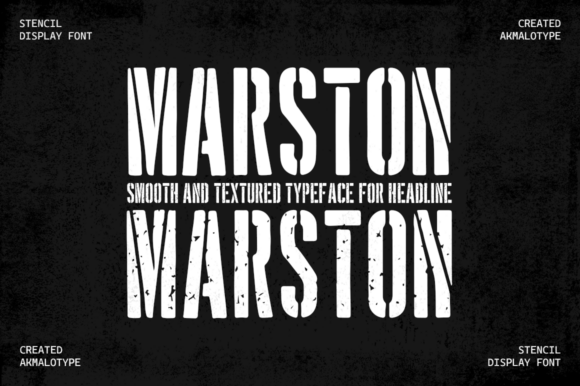
At first glance, Marston’s all-caps, bold structure makes a powerful statement. But its true appeal lies in the subtle details. The letterforms are tall and sturdily built, with a rugged texture that feels less like a flaw and more like a badge of honor. This isn’t a sterile, perfect digital creation. It carries the ghost of a classic print design, reminiscent of a time-worn stencil or hand-set type from an old workshop. This refined distress adds a layer of authenticity that polished, modern fonts often lack. It suggests history, reliability, and a no-nonsense attitude—qualities that can instantly elevate a brand’s visual narrative.
Practical Applications: Where Marston Truly Shines
Understanding a font’s personality is one thing; knowing how to deploy it effectively is another. Marston’s robust character makes it exceptionally versatile for specific applications where impact and clarity are non-negotiable.
For Branding and Identity: If you’re building a brand that values heritage, craftsmanship, or rugged individualism, Marston becomes a core visual asset. It’s perfect for logos, business cards, and brand guidelines that need to convey strength and authenticity. Think artisan coffee roasters, boutique barbershops, outdoor apparel companies, or craft breweries. The font does the heavy lifting, establishing a memorable and trustworthy identity from the outset.
In Packaging and Poster Design: On a crowded shelf or a busy street, you have milliseconds to grab attention. Marston’s bold, captivating presence is engineered for this. Use it for product labels on hot sauces, beard oils, or small-batch spirits. Its commanding nature makes it ideal for event posters, gig flyers, and promotional materials where you need the headline to be seen and felt from a distance.
Across Digital and Print Media: This isn’t a one-trick pony. As a premium display font, Marston excels in social media graphics, creating headers for blogs that demand authority, or designing striking merchandise like t-shirts and hats. For editorial design, it can power section headers in magazines or book covers. Even in web design, used sparingly for hero text or call-to-action buttons, it adds a punch of personality that a standard sans serif cannot match.
Making Marston Work for Your Project: A Practical Guide
Introducing a strong display typeface like Marston requires a thoughtful approach. It’s a tool for emphasis, not for body copy. Here’s how to integrate it effectively:
- Define Your Goal First: Is your project meant to feel vintage, industrial, or boldly contemporary with a nod to the past? Marston fits the first two perfectly. If your goal is minimalist elegance, it might not be the right fit. Let the project’s objective guide your font choice.
- Master the Art of Font Pairing: The key to using a powerful display font is balance. Pair Marston with a clean, highly readable sans serif font (like Helvetica, Arial, or Proxima Nova) for body text. The contrast allows Marston’s personality to shine without overwhelming the viewer. For a more layered look, it can also pair well with a simple, neutral serif.
- Test for Readability at Scale: While Marston is built for impact, always test your designs at the intended size. Its textured details should remain clear when used for headlines but will become illegible if shrunk for paragraphs. Use it where it will be seen in full glory.
- Leverage the Full Toolkit: The font package includes both OTF and TTF file formats, ensuring compatibility across design software and platforms. The uppercase A-Z and numbers 0-9 give you the essential components for most headline and branding work. Review all the included styles to see how the subtle variations in weight or texture can serve different parts of your design system.
Aligning Typography with Brand Recognition
Consistent use of a distinctive typeface like Marston is a powerful driver of brand recognition. When your audience sees that bold, textured lettering repeatedly across your website, packaging, and social media, it becomes a visual shorthand for your brand’s values. It moves beyond being a simple design choice to become a core component of your brand identity. This level of consistency builds professionalism and trust, making your marketing assets more effective and your overall presentation more cohesive. In a world of generic templates, a curated, character-driven font helps you stand out and be remembered.
Choosing the right creative font is an investment in your project’s voice. Marston offers more than just letters; it offers a story, a texture, and an attitude. It’s for the designer who understands that typography is a silent ambassador, the entrepreneur building a brand with soul, and the creator who wants their work to resonate with depth and confidence. When your project demands a bold, unapologetic presence, this is the typeface that answers the call.