Playbrush: A Handwritten Font for Creative Projects
There's a particular kind of energy that only a good handwritten font can bring to a design. It's the difference between a polished corporate announcement and a heartfelt thank-you note, between a sterile product label and one that feels artisanal. If you've been searching for a typeface that captures a sense of playful authenticity without sacrificing professionalism, Playbrush might be the creative asset your toolkit has been missing.
More Than Just Pretty Letters
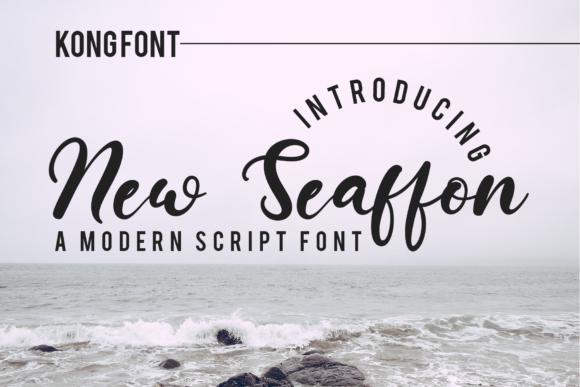
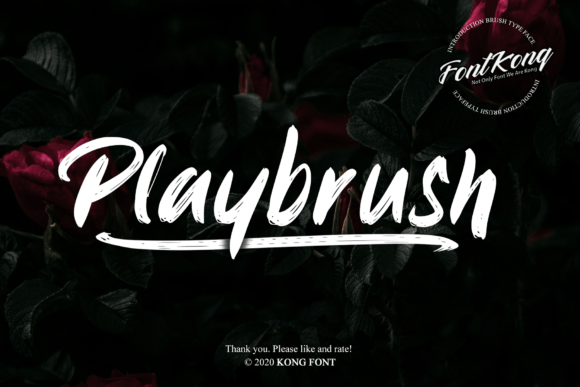
At first glance, Playbrush presents itself as a modern, cool handwritten font. Its strokes have a confident, fluid rhythm that feels both spontaneous and considered. This isn't a chaotic scrawl; it's a carefully crafted script font where each letterform connects with a natural flow. The slight variations in baseline and weight give it an organic, human touch that digital fonts often lack. This personality makes it incredibly versatile. It can feel whimsical for a children's brand, sophisticated for a boutique's logo, or energetic for a social media campaign.
What truly sets a premium font like this apart, however, is its utility. Created by Kong Font Studio, Playbrush is designed with the end-user in mind. It's fully PUA encoded, which is a technical way of saying you can access every single glyph, swash, and stylistic alternate with a simple click in any compatible software. No special knowledge of OpenType features is required. Whether you're working in Adobe Photoshop, Illustrator, Silhouette Design Studio, or even Canva, the full character set is at your fingertips. This accessibility is a game-changer for crafters and designers who want to add flair without frustration.
Where Does a Font Like This Shine?
The applications for a versatile handwritten font are surprisingly broad. Think beyond just a single project. This is the kind of typeface that can help unify the visual language of an entire brand or product line.
For brand identity, Playbrush can be a cornerstone. Imagine it used for a bakery's logo, then carried through to its menu, packaging stickers, and social media posts. The consistent, friendly handwriting creates an immediate sense of recognition and approachability. It’s perfect for logo design where you want to convey warmth, creativity, or a personal touch.
In packaging design, it can differentiate a product on a crowded shelf. A handwritten font on a coffee bag, a candle label, or a jam jar instantly suggests small-batch quality and care. For editorial design, it can add personality to magazine pull quotes, book chapter headings, or blog post titles, breaking up the monotony of body text.
The digital space is equally fertile ground. Social media graphics using Playbrush for quotes, announcements, or calls-to-action tend to stop the scroll because they feel more personal and less algorithmic. On websites and blogs, it can be used strategically for headlines, subheadings, or featured text to guide the reader's eye and inject brand personality. For marketing assets like email headers, promotional posters, or digital ads, it adds a layer of creative energy that a standard sans serif font might not achieve.
Don't overlook physical products and events. It's ideal for invitations to weddings or parties, custom merchandise like t-shirts or mugs, and print materials such as business cards, thank-you notes, and flyers. For crafters using machines like Cricut or Silhouette, it’s a fantastic choice for decals, scrapbooking, and personalized gifts.
Making It Work: Practical Typography Tips
Finding a great font is only half the battle. Using it effectively is what makes your design work. Here’s how to integrate a font like Playbrush with intention.
Readability is Key. Handwritten fonts are best used for display purposes—headlines, logos, short phrases. They can become difficult to read in long paragraphs or at very small sizes. Pair Playbrush with a clean, simple serif font or sans serif font for body text to ensure your message is clear. A classic combination might be Playbrush for headings and a font like Open Sans or Lora for the supporting text.
Test Your Pairings. Before committing, see how Playbrush interacts with other typefaces in your project. Does the mood clash or complement? A playful script can balance a very geometric sans serif, or it can harmonize with a traditional serif for a more elegant feel. Always test your font pairing in context—on your actual mockup—rather than just in a font preview window.
Explore the Glyphs. Because Playbrush is PUA encoded, take the time to explore the alternate characters and swashes. These extras are what allow you to customize the text to fit your exact space and style needs. In most design software, you can access these through the Glyphs panel. Replacing a standard "t" or "h" with a stylistic alternate can transform the look of a word.
Consider the Licensing. Always verify the license of any commercial font you purchase. Fonts from reputable marketplaces like Creative Fabrica typically come with clear licenses that allow for a wide range of commercial use, but it's your responsibility to check the specifics for your intended project, especially for large-scale merchandise or mass-produced goods.
A Thoughtful Addition to Your Design Toolkit
Ultimately, the value of a font like Playbrush lies in its ability to communicate a specific feeling quickly and effectively. It’s a tool for visual communication that can help build brand recognition, create engaging marketing assets, and add a professional yet personal touch to countless creative projects. It bridges the gap between the warmth of handmade lettering and the precision needed for digital and print design. By understanding its strengths and applying it thoughtfully, you can leverage its playful character to make your work more memorable and connected to your audience.