Quichflour: A Handwritten Typeface with Vintage Charm
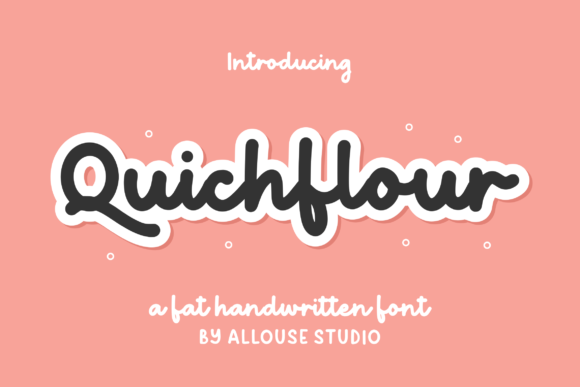
There’s a certain magic in typography that feels both personal and timeless. It’s the kind of visual language that doesn’t just communicate words but evokes a feeling, a memory, a sense of authenticity. In a landscape crowded with sleek, geometric sans-serifs and rigid serifs, a font like Quichflour arrives like a breath of fresh air. It’s a cute, vintage-styled handwritten font that brings a cool, quirky personality to any project it touches. Crafted by Allouse Studio, this typeface is designed for creators who want to inject a beautiful and refreshing look into their work, moving beyond the ordinary to create something with genuine character.
More Than Just a Pretty Script
At its core, Quichflour is a display font, meaning it’s designed to be used at larger sizes where its intricate details can truly shine. Its visual appeal lies in its carefully crafted imperfections—the slight variations in baseline, the gentle curves of the ascenders and descenders, and the playful bounce of its letters. This isn’t a sterile, digital script; it has the organic, human touch of actual handwriting, which builds immediate warmth and approachability. As a handwritten font, it serves as a powerful tool in your design assets library, especially when you need to convey creativity, individuality, or a handcrafted ethos.
When considering modern typography, the goal is often to balance style with function. Quichflour achieves this by maintaining a surprising level of clarity despite its decorative nature. The characters are distinct, avoiding the common pitfall of overly swirly scripts where a ‘c’ and an ‘e’ become indistinguishable. This makes it a viable creative font for applications where legibility is still key, such as a prominent logo headline or a featured quote on a social media graphic.
Where Quichflour Truly Comes Alive
The real value of a premium font like this is realized in its application. Think of a small-batch candle company looking to define its brand identity. Using Quichflour for their product name on the label instantly communicates a sense of artisanal care and vintage inspiration. It tells a story before the customer even reads the scent description. Similarly, for a wedding stationery designer, this script font could be the perfect choice for creating elegant, personalized invitations that feel bespoke rather than mass-produced.
For digital creators and marketers, the font’s charm translates powerfully online. A blog post about cozy home décor or a DIY project gains an extra layer of personality with Quichflour as the headline font. It sets the tone immediately. On platforms like Instagram or Pinterest, where visual appeal is paramount, using this typeface for quotes, announcements, or story templates can significantly boost audience engagement. It breaks the monotony of standard system fonts and helps your content stand out in a crowded feed.
- Logo Design & Branding: Ideal for brands in the lifestyle, bakery, boutique, craft, or creative consulting spaces. It helps build a brand identity that feels friendly and authentic.
- Packaging Design: Perfect for artisanal food products, cosmetics, stationery, and any goods where a handmade, premium feel is desired.
- Editorial & Print Layouts: Use it for pull quotes, chapter titles in a book, or headlines in a magazine to add a touch of whimsy and break up dense text.
- Digital Products & Marketing Assets: Enhances e-book covers, online course graphics, webinar slides, and email headers with a unique visual signature.
- Merchandise: Works beautifully on tote bags, t-shirts, mugs, and posters for artists, bands, or small businesses selling branded goods.
Practical Advice for Pairing and Presentation
Introducing a strong character font like Quichflour into your projects requires a thoughtful approach to maintain visual consistency and professional presentation. The golden rule of font pairing is contrast. Because Quichflour is a highly expressive handwritten font, it should be paired with something clean and neutral for body text. A simple, geometric sans serif font or a classic, readable serif font will create a harmonious balance, allowing Quichflour to be the star of the show without overwhelming the viewer.
Always consider readability considerations. While excellent for headlines, avoid setting long paragraphs of body copy in Quichflour. Its charm is best enjoyed in smaller doses. Test your designs at various sizes to ensure the key details remain crisp, especially for web design where resolution can vary. A great practice is to create a simple style guide for your project, defining exactly where and how the font will be used—perhaps only for H1 and H2 headings—to ensure visual consistency across all materials.
Before finalizing any project, especially for commercial use, it’s crucial to understand the licensing. As a commercial font, Quichflour comes with specific terms for use in logos, merchandise, and digital products. Reviewing the license details provided by Allouse Studio ensures your brand identity or client project is fully compliant, protecting your work and investment. This due diligence is a non-negotiable part of using design assets professionally.
Refreshing Your Creative Toolkit
Finding the right typeface is often about finding a visual voice. Quichflour offers a voice that is cheerful, nostalgic, and undeniably creative. It’s a tool that can help a designer solve a specific brief, a small business owner define their aesthetic, or a content creator develop a more recognizable visual style. By understanding its personality and applying it strategically, you can leverage this typeface to create designs that don’t just look good, but feel genuinely connected to their purpose. In a world of digital perfection, its handcrafted vintage charm might be exactly the refreshing element your next project needs.