Thinking: A Handwritten Font That Whispers Charm
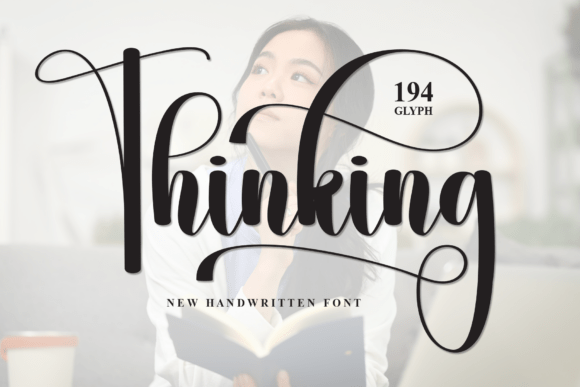
There's a certain magic in a handwritten note—the slight imperfections, the warmth, the undeniable human touch. In a digital landscape often dominated by clean, cold lines, that personal feel can be a powerful differentiator. This is precisely the feeling captured by the Thinking font. It’s a premium display font that doesn’t just sit on a page; it communicates. With its sweet, friendly aesthetic and a playful sophistication, this typeface offers a joyful alternative to standard options, inviting viewers in with an aura of whimsy and approachability.
The Anatomy of Approachable Elegance
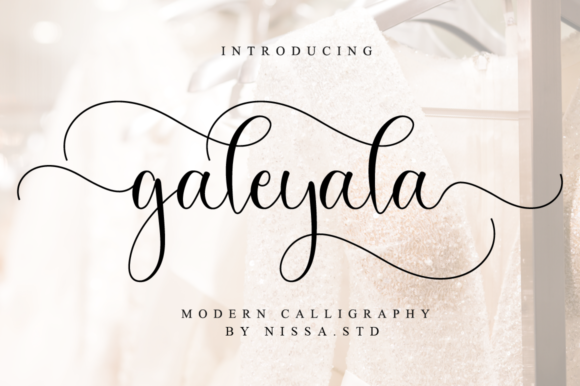
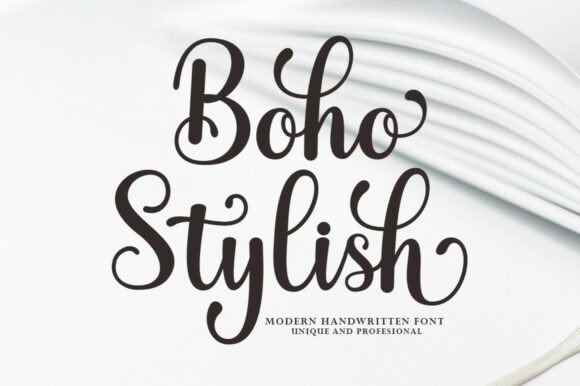
At first glance, Thinking presents as a charming handwritten font. Its letterforms are crafted with a fluid, natural rhythm, mimicking the organic flow of pen on paper. But look closer, and you’ll notice a deliberate elegance. The curves are soft yet confident, and the overall composition maintains a clean, readable structure. This balance is its core strength. It avoids the chaos of overly casual script fonts while steering clear of the rigidity of formal calligraphy. The result is a typeface that feels authentic, modern, and incredibly versatile—a true designer font for projects that need a human heart.
What makes it visually appealing is this duality. It’s a font that can feel adorable on a baby shower invitation and chic on a boutique’s logo. It bridges the gap between a friendly social media post and a professionally designed brand asset. The subtle variations in stroke width give it character, ensuring it never looks sterile or auto-generated. This is modern typography with personality, designed for creators who want their work to resonate on a personal level.
From Brand Identity to Everyday Marketing
Where does a font like Thinking truly shine? Its applications are as broad as your creativity allows, but it excels in scenarios where connection and clarity are paramount.
- Branding and Logo Design: For small businesses, especially those in lifestyle, wellness, food, or artisanal crafts, Thinking can become the cornerstone of a friendly, approachable brand identity. It works beautifully as a primary logo font or as a complementary script font for taglines and accents, injecting instant warmth into visual branding.
- Packaging Design: Imagine this font on a product label for handmade soap, a gourmet jam jar, or a craft coffee bag. It communicates care, quality, and a personal touch, directly influencing consumer perception at the point of sale.
- Print and Digital Invitations: This is a natural home for Thinking. Wedding invitations, party announcements, and digital event cards come alive with its joyful, whimsical character. It sets the tone before a single word is read.
- Content and Social Media: In the crowded space of social media graphics, a distinctive display font stops the scroll. Use Thinking for Instagram quotes, Facebook post headers, or YouTube thumbnail text to create instantly recognizable, engaging content. It also adds personality to blog post titles and pull quotes, enhancing reader experience.
- Merchandise and Editorial Layouts: From T-shirt slogans to notebook covers, this creative font adds a desirable, handmade feel. In editorial design, it can highlight feature articles or create compelling chapter headings in magazines and books.
Making It Work: Practical Typography Advice
Adopting a new display font is exciting, but strategic implementation is key to professional results. Here’s how to integrate a font like Thinking effectively.
Purpose First: Before falling in love with its looks, define your project's goal. Is it to convey whimsy, warmth, or sophistication? Thinking is a master of the first two and a student of the third. Ensure its personality aligns with your message.
The Art of Font Pairing: No font is an island, especially a display font. For body text and extended reading, pair Thinking with a highly legible serif or sans serif font. A clean sans serif like Montserrat or a classic serif like Lora creates a beautiful, balanced hierarchy. The handwritten font draws the eye, while the paired font ensures readability for longer passages.
Test for Readability: Always test your chosen font at the size it will be used. Thinking is designed for impact at larger scales, like headings and logos. Avoid using it for lengthy paragraphs of small text, where its charming details could become a distraction. Check kerning and line spacing to ensure clarity.
Explore the Full Family: A good premium font often includes more than one style. Check if the Thinking font package includes variations—perhaps a bold weight, a light version, or alternative characters. These provide more tools for creating visual hierarchy and interest within your designs.
License with Confidence: For any commercial project, always verify the licensing terms of your font. Ensure the commercial font license covers your intended use, whether it’s for client work, merchandise for sale, or digital products. This professional step protects you and respects the type designer’s work.
More Than Just Letters
Ultimately, choosing a typeface like Thinking is about more than aesthetics; it’s about strategic communication. It’s a design asset that helps build brand recognition by creating a consistent, memorable visual voice. When used thoughtfully, it improves audience engagement by making your content feel more personal and approachable. It elevates a professional presentation by adding a layer of considered, creative flair that generic fonts lack.
In a world where authenticity is currency, a handwritten font offers a direct line to your audience’s emotions. It turns a simple message into a note from a friend, a product into a cherished find, and a brand into a relatable presence. Whether you’re a designer crafting a client’s identity, a small business owner building your own, or a content creator looking to stand out, the right typeface is a silent partner in your success. Thinking isn’t just a set of characters; it’s a feeling, a tone, and a doorway to more joyful, connected design.