Why Grunge Writing is the Authentic Font Your Brand Needs
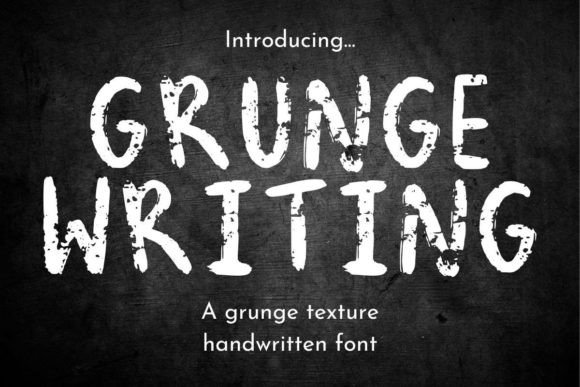
There's a certain raw honesty in things that look handmade. You can see the slight imperfections, the texture of the tool that made it, the human touch that digital perfection often erases. This is the exact feeling a font like Grunge Writing captures so effectively. It's not just another typeface; it's a digitized piece of hand-drawn character, complete with a distressed, grunge-textured personality that feels genuinely crafted. For anyone building a brand, creating content, or designing a project, this kind of authenticity isn't just a stylistic choice—it's a powerful tool for connection.
More Than Just a Messy Font
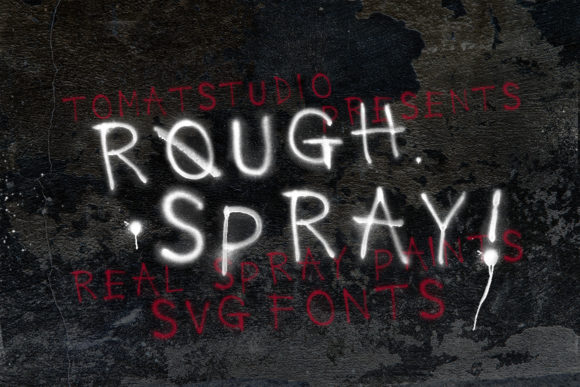
At first glance, you might categorize it simply as a handwritten font, but that doesn't fully tell the story. Grunge Writing is a display font, meaning it's designed to make an impact at larger sizes. Its gritty texture and slightly uneven baseline give it an edge that clean, polished fonts lack. This isn't the font for your legal disclaimer or body text. Instead, think of it as the headline act, the statement piece, the visual equivalent of a confident, slightly rough-around-the-edges voice. It’s the kind of creative font that stops a scrolling thumb on Instagram or gives a poster immediate attitude.
The beauty lies in its versatility within that niche. It can feel rebellious and rock-and-roll for a band poster, or it can feel rustic and artisanal for a coffee shop's menu board. It can scream "limited edition" on merchandise or whisper "handmade with care" on packaging. The distressed texture adds a layer of history and tactile quality, suggesting that the design has a story to tell, even before you read the words.
Where This Typeface Truly Shines: Practical Applications
Knowing a font looks cool is one thing. Knowing how to use it effectively is where the real value lies. This is where Grunge Writing moves from a novelty to a workhorse in a designer's toolkit. Let's break down where its personality aligns perfectly with project goals.
Building a Brand Identity: If your brand's personality is independent, authentic, creative, or slightly rebellious, this font can become a cornerstone of your visual identity. Imagine it on the logo for a vintage clothing store, a craft brewery, a tattoo parlor, or an indie record label. It immediately communicates a vibe that a standard sans serif font cannot. Paired with a clean serif font or a simple sans serif for body text, it creates a dynamic and memorable font pairing that enhances brand recognition.
Commanding Attention in Print and Packaging: In packaging design, shelf appeal is everything. A product label using Grunge Writing for the product name can stand out against competitors using sleek, minimalist typography. It suggests craft, quality, and a personal touch. This extends to print materials like event posters, flyers for a local gig, or menu designs for a burger joint. The texture ensures it looks fantastic even in lower-resolution prints, adding character instead of revealing flaws.
Dominating the Digital Space: For social media graphics, this font is a game-changer. In a feed full of sterile, corporate-looking posts, a grunge-textured headline grabs attention. Use it for quote graphics, sale announcements, podcast episode titles, or YouTube thumbnails. It translates the energy of your content directly into the visual. On a website, it can be used strategically for hero section headlines, section titles, or button text to inject personality, though always with readability in mind. For digital products like e-book covers or online course graphics, it sets an instant tone.
Pairing and Professionalism: Using Grunge Writing Wisely
The key to using a potent display font like this is balance. Its strength is its bold personality, but overuse can overwhelm a design and hurt readability. Here’s how to incorporate it professionally:
- The Rule of Contrast: Never pair it with another highly decorative or textured font. Let it be the star. The best partners are simple, neutral typefaces. A clean, geometric sans serif font like Montserrat or Lato provides a perfect modern counterpoint. A classic, readable serif font like Georgia or Lora can add a touch of elegance and tradition, creating a compelling contrast.
- Size and Hierarchy Matter: Use it for headlines, subheadings, and pull quotes. For body text, always opt for a highly legible font designed for smaller sizes. This creates a clear visual hierarchy that guides the reader's eye and improves the overall readability of your design.
- Context is King: Always ask: does this font's personality match my message and audience? A distressed handwritten font might be perfect for promoting a music festival but could feel out of place on a law firm's website. Aligning typography with your project's goals is fundamental to effective visual communication.
Before committing to any premium font for a commercial project, always review the licensing. Ensure the license covers your intended use, whether it's for a client's logo, merchandise for sale, or digital assets. This due diligence is a mark of a professional and protects your work.
The Takeaway: Authenticity in a Digital World
In a landscape saturated with flawless vector graphics and sterile interfaces, a font with genuine texture and handcrafted roots offers a refreshing dose of reality. Grunge Writing isn't trying to be perfect; it's trying to be real. It provides designers, entrepreneurs, and creators with a design asset that bridges the gap between digital precision and human artistry. By choosing it thoughtfully and pairing it wisely, you can leverage its unique character to build a more engaging, recognizable, and authentic brand identity that truly resonates with your audience. It’s a reminder that sometimes, the most powerful designs are the ones that show their handmade origins.