Zero and Zero: A Distinctive Typeface for Authentic Branding
There's a certain honesty to things that show their age. A leather jacket with creases that tell stories, a vintage sign with paint that's gracefully peeling, or a book with a spine that's been well-loved. This sense of history and character is exactly what the Zero and Zero typeface brings to the table. Created by designer Vic Fieger, this isn't just another decorative font; it's a tool for adding a layer of textured authenticity to your work. It has a worn, weathered appearance that feels both intentional and organic, making it a compelling choice for anyone looking to move beyond the sterile perfection of standard digital fonts.
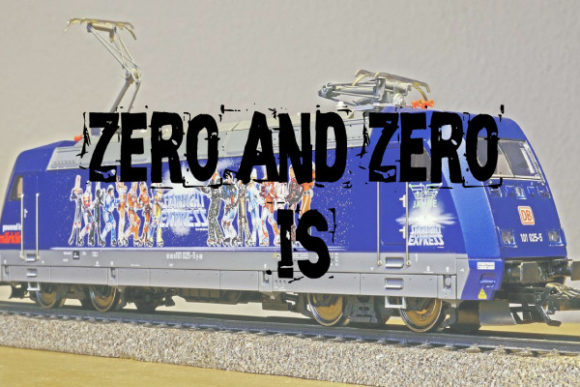
The visual appeal of Zero and Zero lies in its beautiful imperfections. Each character has a slightly distressed, textured look, as if it were stamped, screen-printed, or aged over time. This isn't a uniform, mechanical effect. The background of the letters has an interesting, almost granular quality that adds depth and visual interest. It’s a serif font in its core structure, which gives it a foundational readability, but the distressed treatment transforms it into something far more expressive. This combination of classic form and modern, gritty texture makes it incredibly versatile. It feels at home in a rugged, industrial context just as easily as it does in a handcrafted, artisanal one.
More Than Just a Pretty Face: Practical Applications
Knowing a font looks good is one thing; knowing how to use it effectively is where the real value lies. The character of Zero and Zero makes it particularly suited for projects where you want to convey a sense of craftsmanship, heritage, or a slightly rebellious edge.
Think about branding for a craft brewery, a coffee roaster, or a boutique clothing line that uses sustainable materials. Zero and Zero can form the backbone of a visual identity that feels genuine and grounded. It’s an excellent choice for logo design, where its unique texture ensures the brand mark is memorable and stands out from a sea of clean, minimalist logos. On packaging, this typeface can instantly communicate that the product inside is made with care and attention to detail, whether it's a jar of small-batch jam or a box of artisanal chocolates.
For digital creators and marketers, the applications are just as powerful. Social media graphics set in Zero and Zero have an immediate thumb-stopping quality. The textured letters feel tactile and real, even on a flat screen, which can help your posts feel more substantial and less like fleeting digital noise. For websites and blogs, it’s a fantastic choice for headlines and pull quotes, creating strong visual anchors that draw the reader in. When used for an editorial layout in a digital magazine or a PDF lookbook, it can help establish a distinct mood—be it vintage, rustic, or edgy.
Don't overlook its power in print and merchandise. A poster for a local music festival, an invitation to a warehouse art show, or the title of a self-published photography book would all benefit from its distinctive voice. When it comes to merchandise like t-shirts, tote bags, and mugs, a font like Zero and Zero often translates beautifully, giving printed items a quality that feels less like a generic print-on-demand product and more like a piece of curated design.
Building a Cohesive Brand with a Signature Font
A typeface is a critical component of brand identity. It’s part of the visual language that your audience learns to associate with your values and personality. Consistently using a font like Zero and Zero across your touchpoints—from your website header to your Instagram Stories to your business cards—builds a powerful, cohesive brand recognition. When someone sees that textured, serif style, they’ll start to connect it with your business before they even read the words.
This consistency is key to professional presentation. It shows a level of intentionality that builds trust with your audience. However, a unique display font like this comes with a responsibility to maintain readability. While Zero and Zero is highly legible at larger sizes, its detailed texture can become muddy if used for long paragraphs of small body text. This is where a smart font pairing strategy becomes essential. A best practice is to use Zero and Zero for your primary headlines, titles, and short, impactful statements. Then, pair it with a clean, highly readable sans serif font like Lato, Open Sans, or Montserrat for your body copy. This creates a beautiful visual hierarchy: the display font grabs attention and sets the mood, while the secondary font delivers the information clearly.
Working with Zero and Zero in Your Projects
Before you commit to any creative font for a project, it's wise to test it out. Play with the letter spacing (tracking) and line height (leading) to see how the text breathes. Check the included font styles. Does it come with a regular and a bold weight? Having a couple of variations gives you more flexibility to create emphasis and hierarchy within your designs.
One of the most important, yet often overlooked, aspects of choosing a premium font is understanding the license. For any commercial project—whether you're designing a logo for a client, selling merchandise, or using it in marketing materials for your business—you need to ensure you have the correct commercial license. Always review the license agreement provided by the font creator. This protects both you and the designer and ensures you can use the font with confidence. A font is a design asset, and treating its licensing with care is a hallmark of a professional.
In a world saturated with the same handful of popular fonts, choosing something with as much personality as Zero and Zero is a deliberate move. It’s a commitment to a specific aesthetic and a desire to communicate on a deeper, more emotional level. It’s for the designer who understands that typography isn't just about words; it's about feeling. For the small business owner who wants their brand to feel real, not corporate. For the content creator who wants their work to have a tangible, memorable presence. By thoughtfully integrating this typeface into your toolkit, you’re not just picking a font—you’re choosing a voice that can help your projects resonate with authenticity and style.