Bintari: A Playful Handwritten Font for Modern Creators
There's a certain magic in a font that feels both personal and polished. It's the difference between a generic greeting card and one that makes you smile before you even read the words. For designers, crafters, and small business owners, finding that perfect typeface—one that carries personality without sacrificing clarity—is a key step in making a project feel truly finished. This is where a typeface like Bintari steps in, offering a blend of casual charm and modern sensibility that can transform the ordinary into the engaging.
More Than Just a Pretty Script
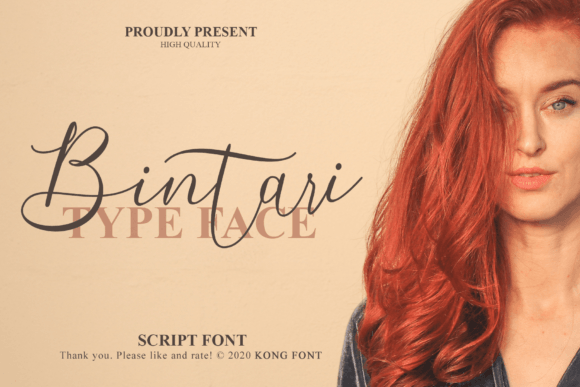
At its heart, Bintari is a modern handwritten font. But let's unpack what that actually means for your work. Unlike traditional calligraphic scripts that can feel formal or dated, Bintari has a relaxed, flowing quality. The letterforms are connected in a way that mimics natural handwriting, but with a consistency and balance that's designed for readability. This isn't a font that tries to imitate a centuries-old quill; it feels contemporary, approachable, and friendly.
Its visual appeal lies in this duality. The playful script style introduces warmth and human touch, which is invaluable in an era of sterile digital communication. Yet, the letter shapes are clean enough to avoid looking messy or amateur. This makes it a versatile display font—it commands attention in headlines and logos but doesn't overwhelm the supporting text. For anyone building a brand identity, this balance is crucial. You want a typeface that expresses personality while still being a reliable workhorse across different media.
Where Bintari Truly Shines: Practical Applications
The real test of any creative font is how it performs in the wild. Bintari's design makes it particularly well-suited for a range of projects where a personal, crafted feel is desired. Think about the last time a product label or social media post caught your eye because it felt handmade and genuine. That's the kind of connection this script font is built to foster.
For branding and logo design, Bintari can serve as the primary logotype for businesses that want to emphasize creativity, approachability, or artisanal quality. Imagine it on the logo for a boutique bakery, a freelance photographer, a handmade soap company, or a children's clothing line. It immediately communicates a story of care and individuality. Paired with a simple sans serif font for body text, it creates a professional yet inviting visual hierarchy.
In packaging design, its strengths are even more pronounced. The font's flowing nature can guide the eye across a label, making product names and taglines feel dynamic. It's excellent for artisanal food products, cosmetics, or any item where the packaging itself is part of the customer experience. The same principle applies to print materials like business cards, thank-you notes, and invitations. A wedding suite using Bintari for the names and details sets a tone that's elegant yet relaxed, perfect for a modern celebration.
The digital realm is another natural home. Social media graphics thrive on personality. Using Bintari for quote graphics, Instagram story headers, or sale announcements can make your feed feel more cohesive and human. It helps your content stand out in a crowded scroll because it doesn't look like it was generated by a default template. For blog headers or website accent text, it adds a touch of style without compromising the user experience when used judiciously. The key is to reserve it for key phrases, headlines, or calls-to-action where its character can shine without affecting the readability of longer paragraphs.
Integrating Bintari Into Your Design Workflow
Knowing a font looks good is one thing; knowing how to use it effectively is another. A practical approach starts with understanding its personality and matching it to your project's goals. Bintari's playful and modern vibe isn't the right fit for a corporate law firm's annual report, but it's perfect for a yoga studio's workshop poster or a indie musician's album artwork.
One of the most important steps is testing font pairings. A handwritten font like Bintari rarely works well on its own for all text. It needs a partner. The classic and reliable combination is with a serif font or a sans serif font. For example:
- For a clean, contemporary look: Pair Bintari with a geometric sans serif like Montserrat or Poppins. The contrast between the organic script and the structured geometric letters creates a dynamic and professional layout.
- For a more classic, editorial feel: Combine it with a traditional serif like Garamond or Lora. This pairing works beautifully for editorial design in magazines or lookbooks, where the script can highlight pull quotes or section titles.
Always consider readability. Bintari is designed for short bursts of text—headlines, logos, slogans. Using it for a full paragraph of 12-point body copy would be a mistake, as the connected script can become difficult to read in dense blocks. Test your designs at different sizes and on various screens to ensure clarity. A quick check on a mobile phone screen is essential for any web design or social media asset.
It's also wise to review the full character set and any included styles. Some premium fonts come with alternate letters, ligatures, or stylistic sets that offer even more customization. These extras can help you avoid repetitive letter shapes and add an extra layer of authenticity to your designs, making the text look more like true handwriting.
A Smart Addition to Your Toolkit
For the creative professional or hobbyist, a font like Bintari is a valuable design asset. It solves a specific problem: how to inject warmth and personality into a project quickly and effectively. Whether you're creating digital products like printable planners, designing marketing assets for a new launch, or crafting merandise for an online store, having a reliable, expressive script font in your library saves time and elevates the final output.
When investing in any commercial font, licensing is a key consideration. Always verify that the license covers your intended use, especially if you plan to use it on products for sale, in client work, or in widely distributed digital materials. Reputable foundries, like Kong Font Studio which created Bintari, provide clear licensing terms, giving you confidence to use the font across your projects.
Ultimately, typography is about communication. The fonts you choose tell a story before a single word is read. Bintari offers a story that is modern, friendly, and creatively charged. It won't be the right voice for every project, but for those that call for a human touch and a dash of playfulness, it's a typeface that can help your work connect on a more personal level. By understanding its strengths and pairing it thoughtfully, you can use it to build stronger visual consistency, enhance brand recognition, and create designs that genuinely engage your audience.