Marghines: A Playful Handwritten Font for Modern Creators
There's a certain magic in a font that feels like it was written just for your project. It's the difference between a generic sign and one that feels personal, between a standard label and one that tells a story. For designers and crafters seeking that authentic, hand-lettered vibe without the hassle of actual handwriting, the Marghines script font offers a compelling solution. Created by Kong Font Studio, this modern handwritten typeface balances playful energy with professional utility, making it a versatile asset in your creative toolkit.
Understanding the Visual Character of Marghines
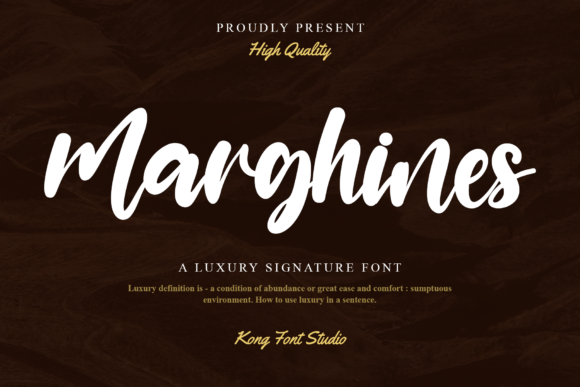
At its core, Marghines is a script font defined by its flowing, connected letterforms and a distinct sense of movement. Unlike rigid, formal calligraphy, its character is relaxed and approachable. The strokes have a natural, slightly uneven weight that mimics the pressure of a real pen or brush, lending an organic quality that digital perfection often lacks. This isn't a font for dense body text; it's a display font designed to catch the eye and set a specific mood. Its modern interpretation of a handwritten style avoids looking overly casual or childish, striking a balance that works for both whimsical projects and more sophisticated branding.
Practical Applications Across Creative Projects
The true value of any premium font lies in its application. Where does Marghines truly shine? Its playful yet legible personality makes it exceptionally adaptable. Consider using it for:
- Logo Design & Brand Identity: A logo sets the first impression. Marghines can inject personality into a brand for a bakery, boutique, craft brewery, or lifestyle blog, creating an immediate emotional connection. Pair it with a clean sans serif font for body text to maintain readability.
- Packaging Design: On product labels, boxes, or bags, this font can communicate handmade quality and care. It's perfect for artisanal goods, cosmetics, or specialty foods where the story behind the product matters.
- Social Media Graphics: In a crowded feed, a distinctive script font stops the scroll. Use Marghines for quotes, announcements, sale tags, and story highlights to create a consistent and recognizable visual voice across platforms like Instagram and Pinterest.
- Print Materials & Merchandise: From wedding invitations and greeting cards to posters, tote bags, and apparel, the font adds a personal, crafted touch that mass-produced typography cannot replicate.
- Web & Blog Design: Used strategically in headlines, pull quotes, or navigation menus on a website, it can enhance the user experience by reflecting the site's tone, whether it's creative, cozy, or inspirational.
Enhancing Your Design Workflow and Results
Integrating a font like Marghines into your work does more than just change the look of text; it can streamline your process and elevate the final product. A key feature is its PUA encoding. This technical detail has a huge practical benefit: it means all the special characters, alternates, and ligatures are easily accessible through standard software like Photoshop, Illustrator, or even Silhouette Design Studio. You don't need advanced font management tools to access the full set of stylistic options, which saves time and expands your creative possibilities.
From a branding perspective, using a consistent, distinctive typeface like this helps build visual consistency. When your social media graphics, website headers, and packaging all use the same recognizable style, it strengthens brand recognition. The font becomes part of your brand's visual identity, just as much as your color palette or logo mark.
Tips for Effective Implementation
To get the most out of any creative font, a thoughtful approach is necessary. Here are some practical considerations:
- Font Pairing is Crucial: A playful script can overwhelm if overused. The classic strategy is to pair it with a simple, neutral serif font or sans serif font. For example, use Marghines for a main headline and a font like Montserrat or Lora for subheadings and paragraphs. This creates a clear hierarchy and ensures readability.
- Test for Context: Always test the font at the size and in the context it will be used. A word that looks elegant in a large headline might become illegible when shrunk down for a fine print detail on packaging. Check its clarity on both screen and paper.
- Explore the Glyphs: Don't just type and go. Open the glyphs panel in your design software to explore the alternate letters and ligatures included with Marghines. Swapping out a standard "t" or "e" for a stylistic alternate can add a unique, custom feel to your design.
- Review Licensing: Before using any font in a commercial project, always verify the license. Understanding the terms ensures you can use the asset confidently for client work, merchandise for sale, or digital products without legal concerns.
Choosing the right typeface is a foundational decision in visual communication. It's not merely about aesthetics; it's about finding a tool that aligns with your project's goals and speaks to your audience. The Marghines font provides a specific voice—one that is modern, approachable, and full of character. By understanding its strengths and applying it with intention, you can transform standard text into a powerful element of your design, helping your work stand out with a genuinely personal touch.