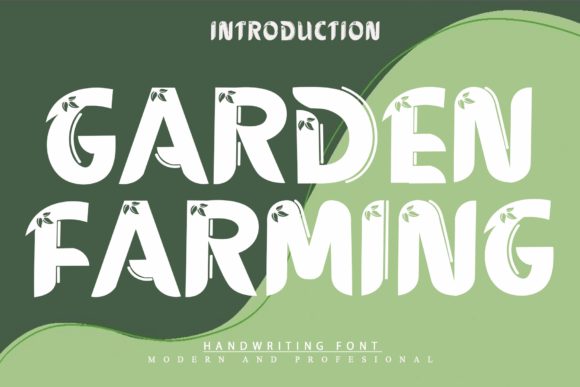
Garden Farming: A Display Font Rooted in Nature
Every brand has a personality, and often, the first clue to that personality is typography. For businesses and creators rooted in sustainability, wellness, or the simple beauty of the outdoors, finding a typeface that feels authentic can be a challenge. You want something that communicates warmth and approachability without sacrificing professionalism. This is where the Garden Farming typeface steps in—a display font that doesn't just sit on the page but feels like it was grown there.
Capturing the Organic Aesthetic
At its core, Garden Farming is a celebration of organic form. It features bold, rounded letterforms that mimic the soft curves of ripe produce or the sturdy stems of healthy plants. But the defining characteristic is the subtle integration of nature directly into the typography. You will notice playful leaf accents that emerge from the terminals of letters like 'k', 'y', or 't'. It isn’t a novelty font, though; these elements are handled with restraint, ensuring the text remains legible while still delivering a distinct botanical vibe.
This design approach makes it an exceptional premium font for projects where visual storytelling is paramount. When a customer looks at a logo or a headline set in Garden Farming, they immediately get a sense of the brand's values before they even read the copy. It bridges the gap between "earthy" and "modern," avoiding the dated look of some traditional nature themes while steering clear of the coldness of geometric sans serif fonts.
Practical Applications for Modern Creators
A versatile display font is one of the most valuable design assets you can own. Garden Farming shines in specific contexts where its personality can breathe. For packaging design, particularly for organic food products, artisanal soaps, or botanical skincare, this font acts as a silent ambassador. Imagine a jam label or a seed packet; the rounded, friendly typeface suggests a homemade, high-quality product.
Beyond packaging, consider the digital landscape. In web design, headers set in Garden Farming can instantly soften a layout, making a website feel more welcoming. This is particularly effective for blogs focused on sustainable living, farm-to-table recipes, or gardening tutorials. The font grabs attention in a crowded digital space, offering a visual "pause" that feels refreshing compared to the standard block text we see everywhere else.
For those in the service industry, such as local farms offering CSA boxes or restaurants focusing on seasonal ingredients, this typeface is a gem for logo design. It provides a strong foundation for a brand identity that needs to communicate freshness. It works beautifully on merchandise, too—think tote bags, t-shirts, or aprons where a bold, single-color print is needed.
Pairing and Typography Strategy
One of the most common questions in typography is how to pair a distinct display font with other styles. Because Garden Farming has such a strong personality, it requires a balancing act. It is not intended for body copy; its decorative elements would tire the eye over long paragraphs. Instead, use it for headlines, sub-headers, and call-to-action buttons.
To achieve visual consistency, pair Garden Farming with a clean, neutral sans serif font or a simple serif font for your body text. A typeface like Open Sans, Lato, or a classic serif like Garamond can provide the necessary contrast. This creates a hierarchy where the display font does the heavy lifting for emotional impact, while the secondary font ensures readability for detailed information. This contrast is a hallmark of professional editorial design and modern typography.
When testing your font pairings, pay close attention to x-height and weight. You want the secondary font to feel like it belongs in the same family, even if it looks different. If Garden Farming is set in a bold weight, ensure your body text isn't too thin, or the transition will feel jarring.
Beyond the Basics: Licensing and Styles
Before integrating any commercial font into your workflow, it is vital to understand the licensing. Garden Farming is designed for commercial use, meaning you can safely use it in client projects, on merchandise for sale, and in marketing assets without legal gray areas. Always review the specific license agreement included with the font files to ensure it covers your intended usage, particularly if you are working on a large-scale corporate rebrand or mass-produced goods.
Additionally, check the included font styles. A high-quality typeface often comes with more than just the standard characters. Look for extended language support, alternate characters, or ligatures. These features allow you to customize the look further, ensuring your specific headline or logo mark looks unique. You might find that swapping out a standard "a" for an alternate version changes the entire flow of the word.
Visual Consistency Across Platforms
One of the biggest hurdles for small business owners and content creators is maintaining a consistent look across different platforms. Your Instagram graphics need to match your website, which needs to match your physical packaging. Using a signature font like Garden Farming helps anchor your visual identity.
When you use this typeface consistently, it becomes a recognizable element of your brand. Over time, customers will associate that specific style of lettering with your products. This is the essence of brand recognition. Whether you are creating a poster for a local farmers market or a digital ad for a gardening blog, the consistent application of this font ties everything together, making your brand look polished and intentional.
In the end, choosing a font is about finding a voice for your visual communication. For those dedicated to nature, growth, and organic aesthetics, Garden Farming offers a voice that is both distinct and deeply rooted in the beauty of the natural world.