Timeless Digital Style: Where This Font Fits Best
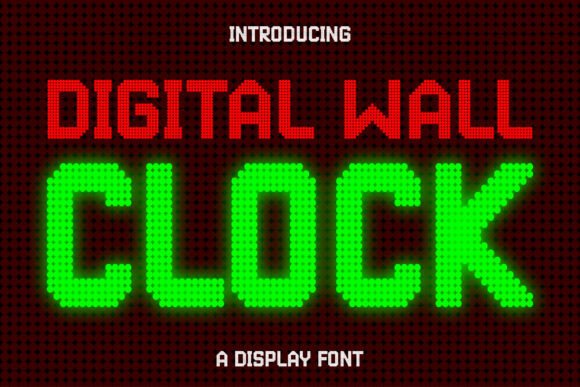
There is a specific type of nostalgia associated with the segmented, glowing numerals of a digital clock. It evokes memories of the warm hum of a bedside radio, the precise time ticking away on a library wall, or the welcoming display at a local government office. Capturing that essence in typography is a challenge that many designers face, but the Digital Wall Clock typeface steps up to meet it with elegance and precision. This is not merely a replication of an LED screen; it is a stylized, display font that transforms the functional aesthetic of timekeeping into a sophisticated design asset. By blending the mechanical precision of digital timekeepers with a clean, modern finish, this font offers a unique bridge between retro-tech charm and contemporary minimalism.
For designers, marketers, and entrepreneurs, finding a font that commands attention without being illegible is a constant balancing act. The Digital Wall Clock typeface strikes this balance beautifully. Its geometric structure makes it highly readable at various scales, while its distinctive segmented style provides a visual texture that standard sans-serif fonts simply cannot offer. It allows you to inject a sense of urgency, modernity, or retro-cool into your projects, depending on how you apply it. Whether you are designing a logo for a tech startup, creating merchandise for a music festival, or laying out a poster for an art exhibition, this font provides a foundation of visual consistency that anchors the entire design.
The Anatomy of a Modern Classic
What makes a display font truly effective? It often comes down to the details of its construction. The Digital Wall Clock font features a modular design inspired by seven-segment displays, yet it avoids the rigid, cold feeling often associated with such typefaces. The characters are crafted with subtle curves and balanced spacing, ensuring that the text feels approachable rather than clinical. This attention to detail is crucial for brand identity, as it ensures the typography aligns with a brand’s personality—whether that personality is innovative, reliable, or edgy.
When selecting a premium font for a project, you are not just choosing letters; you are choosing a voice. The visual weight and rhythm of the Digital Wall Clock typeface give it a strong presence. It works exceptionally well for headers and sub-headers where you need to make an immediate impact. However, unlike many heavy display fonts, it maintains a certain clarity that makes it versatile enough for short bursts of body copy in contexts like posters or packaging. This versatility is a key component of visual consistency, allowing you to use a single font family across different elements of a campaign without the design feeling disjointed.
Practical Applications for Creative Professionals
Let’s look at where this font truly shines in real-world scenarios. The versatility of a creative font like this extends far beyond simple text placement; it becomes a central element of the storytelling.
- Branding and Logo Design: For businesses in the tech, entertainment, or lifestyle sectors, a logo needs to be memorable. The Digital Wall Clock font offers a distinct silhouette that helps logos stand out. Imagine a fitness app using this font to emphasize timing and precision, or a retro-themed café using it to evoke a specific era. It aids in brand recognition by creating a unique visual hook.
- Packaging Design: On the shelf, packaging has only a few seconds to grab a consumer's eye. Using this typeface for product names or key features can create a focal point that draws the eye in. It works particularly well for products related to electronics, gaming, or modern home goods, where a sleek, digital aesthetic is a selling point.
- Social Media Graphics: In the fast-paced world of social media, stopping the scroll is essential. The segmented, architectural style of the font creates interesting negative space and visual breaks that make graphics pop. It is perfect for countdown posts, sale announcements, or event headers on platforms like Instagram and Pinterest.
- Editorial and Web Design: While body copy usually requires a standard serif or sans-serif for long-form reading, headers and pull quotes need personality. This font can serve as a striking accent in editorial design, breaking up the monotony of text-heavy pages and guiding the reader’s eye to important information.
- Merchandise and Apparel: For t-shirts, tote bags, and stickers, typography needs to be bold. The digital aesthetic of this typeface translates beautifully to fabric and print, offering a trendy, streetwear-inspired look that appeals to a younger demographic.
Pairing and Readability: The Designer's Toolkit
Using a bold display font effectively requires a strategy for font pairing. Because the Digital Wall Clock typeface has such a strong personality, it pairs best with neutral, clean companions. You generally want to avoid pairing it with other decorative or script fonts, as this can lead to visual clutter and reduce readability.
A classic approach is to pair this digital display font with a clean sans-serif font like Helvetica, Roboto, or Open Sans for body text. The neutrality of the sans-serif allows the character of the display font to take center stage without competing for attention. Alternatively, if you are going for a more editorial or high-fashion look, a simple serif font with thin strokes can create a sophisticated contrast, blending the modern with the traditional. When testing your pairings, always look at the hierarchy. The display font should dominate headlines, while the secondary font handles the supporting information.
Enhancing Professional Presentation
In the realm of marketing and design, the tools you use speak volumes about your attention to detail. Investing in design assets like a high-quality font collection elevates the professional presentation of your work. When a client sees a cohesive visual language across their website, business cards, and social media, it builds trust. The Digital Wall Clock font helps achieve this by providing a consistent stylistic thread that can be woven through various marketing assets.
Consider the user experience on a website. Headers set in this font can guide visitors through the page, highlighting key value propositions and calls to action. In packaging design, the font can be used to highlight specific ingredients or features, making the information hierarchy intuitive for the customer. This isn't just about making things look good; it's about using typography to improve communication and engagement.
Commercial Use and Licensing
Before integrating any new font into a commercial project, it is vital to understand the licensing. A commercial font typically requires a license that covers the specific ways you intend to use it—whether for a single client, a series of products, or a large-scale advertising campaign. Always review the included license agreement to ensure it covers your intended use cases, such as digital products or physical merchandise.
Checking the specific styles included in the font family is also a practical step. Does the font include multiple weights or stylistic alternates? Having access to variations allows for more flexibility in your designs, ensuring that the typography can adapt to different contexts while remaining true to the brand’s identity. By taking the time to review these technical details, you protect your project and ensure a smooth design process.
Ultimately, typography is a powerful tool for visual communication. The Digital Wall Clock font is more than just a set of numbers; it is a design solution that brings clarity, style, and a touch of nostalgic futurism to your work. By understanding its strengths and applying it thoughtfully, you can transform ordinary designs into compelling visual narratives that resonate with your audience.